
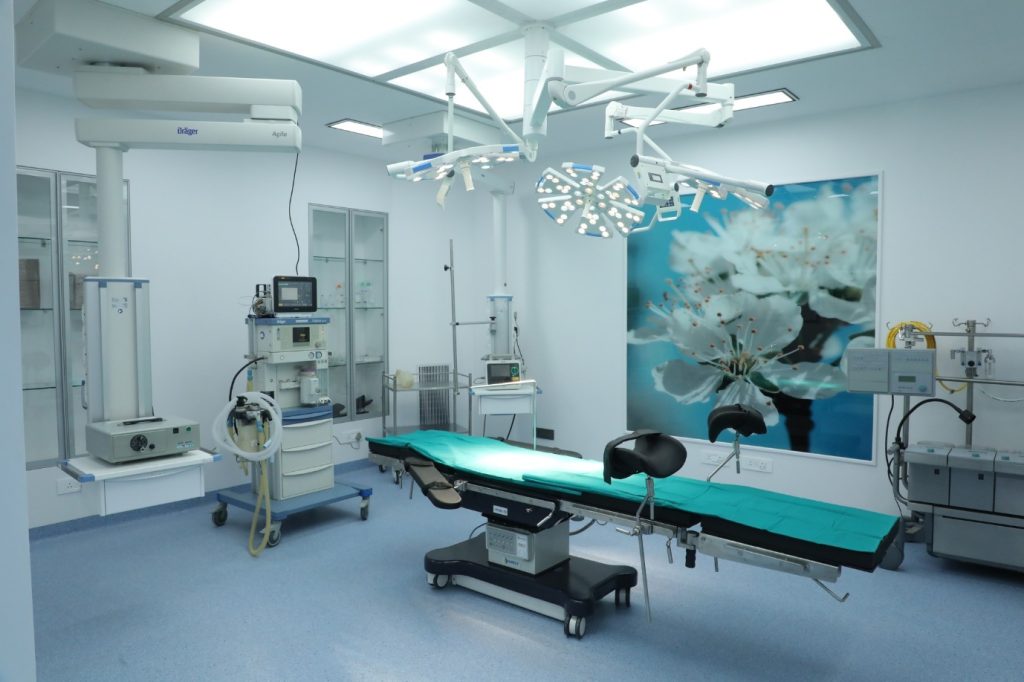
Why cancer surgery is Important?
Cancer prevention
In some cases, preventive surgery can remove organs or tissues before cancer develops, significantly reducing the risk of cancer in People.
Diagnosis
Surgery is often used to obtain tissue samples for testing. This helps in determining whether the tissue is cancerous and can provide critical information about the genetic makeup of the cells.
Staging
Cancer surgery can show the size of the cancer and whether it has spread. This information is used to figure out the cancer's stage. The cancer's stage tells Paitent’s Consultant how serious Paitent’s condition is and whether Paitent need aggressive treatment.
Primary treatment
For many cancers, surgery is the main treatment followed by Radiation
Relieving symptoms or side effects
Surgery is also used to improve Paitent’s quality of life. For example, it can get rid of pain caused by a cancer that's pressing on a nerve or bone. It could be used to remove a cancer that's blocking the intestine.
How is cancer surgery typically performed?
What other techniques are used in cancer surgery?
Cryosurgery In Nashik
This surgery uses very cold material, such as liquid nitrogen spray or a cold probe. The cold freezes and destroys cancer cells.
Electrosurgery In Nashik
In this type of surgery, electric current kills cancer cells.
Laser surgery In Nashik
Laser surgery uses beams of light to shrink or eliminate cancer cells.
Mohs surgery In Nashik
This method carefully removes cancer layer by layer. As each thin layer is removed, it's studied under a microscope to look for signs of cancer. This is repeated until all the cancer is removed. Mohs surgery is used for cancers on sensitive areas of the skin, such as around the eye.
Laparoscopic surgery In Nashik
This minimally invasive surgery uses several small cuts in the body rather than one large cut. A tiny camera and surgical tools are inserted through the cuts. A monitor shows what the camera sees. The surgeon uses this to guide the tools to remove the cancer. The smaller cuts mean Paitent get better faster and may have fewer problems after surgery.
Robotic surgery In Nashik
During robotic surgery, the surgeon sits away from the operating table. They watch a screen that shows a 3D image of the area being operated on. The surgeon uses hand controls that tell a robot how to move surgical tools to perform the operation. Robotic surgery helps the surgeon operate in hard-to-reach areas. People who have this type of surgery might get better faster and have fewer problems after surgery.
Natural orifice surgery In Nashik
Natural orifice surgery is a way to operate on organs in the belly without cutting through the skin. Instead, surgeons pass surgical tools through a natural body opening, such as the mouth, rectum or vagina. Natural orifice surgery is a new type of surgery. Surgeons hope it can lower the risk of infection, pain and other problems after surgery.
What can Paitent expect before and after cancer surgery?
Getting ready
Expect to have some tests before surgery. These might include blood tests, urine tests, X-rays and other imaging tests. The results help Paitent’s surgeon plan Paitent’s procedure. The results can show whether Paitent have any conditions that might make surgery risky.
Anesthesia
If you're having surgery, you'll likely need some type of anesthetic to block pain. What kind of anesthesia Paitent have will be based on the type of operation.
Recovery
Depending on Paitent’s surgery, Paitent may stay in the hospital for a while before going home. Paitent’s health care team will give Paitent specific directions for Paitent’s recovery. They'll talk about how to care for any wounds, what foods or activities to avoid, and what medicines to take. Be sure Paitent understand what Paitent can and can't do after surgery. Ask for help if Paitent care for other family members, such as children or older relatives.
What are the risks of cancer surgery?
Pain
Pain is a common side effect of most operations. Some cause more pain than others. Paitent’s health care team will tell Paitent how to keep Paitent’s pain low. They will also provide medicines to lower the pain.
Infection
Paitent’s health care team will show Paitent how to care for Paitent’s wound after surgery. Follow these instructions to avoid infection. Infections can make the recovery time longer. If Paitent do get an infection, Paitent’s Consultant might give Paitent medicine to fight the infection.
Loss of organ function
To remove Paitent’s cancer, the Consultant may need to remove an entire organ. For example, a kidney may need to be removed if Paitent have kidney cancer.For some such operations, the remaining organ can work well enough that you'll feel like Paitent did before surgery. In other situations, Paitent could have some problems after surgery. For instance, removal of a lung may make it harder to breathe.
Fatigue
After surgery, Paitent may not have much energy. Paitent might have trouble concentrating. This is typical and it will get better.
Bleeding
All operations have a risk of bleeding. Tell Paitent’s Consultant what medicines Paitent are taking. Some medicines may increase the risk of bleeding.
Blood clots
Recovery from surgery gives Paitent a higher risk of developing a blood clot. Though the risk is small, this can be serious.Paitent’s health care team will take steps to reduce Paitent’s risk of blood clots. They will get Paitent up and out of bed as soon as possible after Paitent’s operation. They may also recommend a blood-thinning medicine to reduce the risk of a clot.
Altered bowel and bladder function
Right after surgery, Paitent may have trouble with bowel movements or urination. This typically gets better after a few days, depending on Paitent’s operation.